
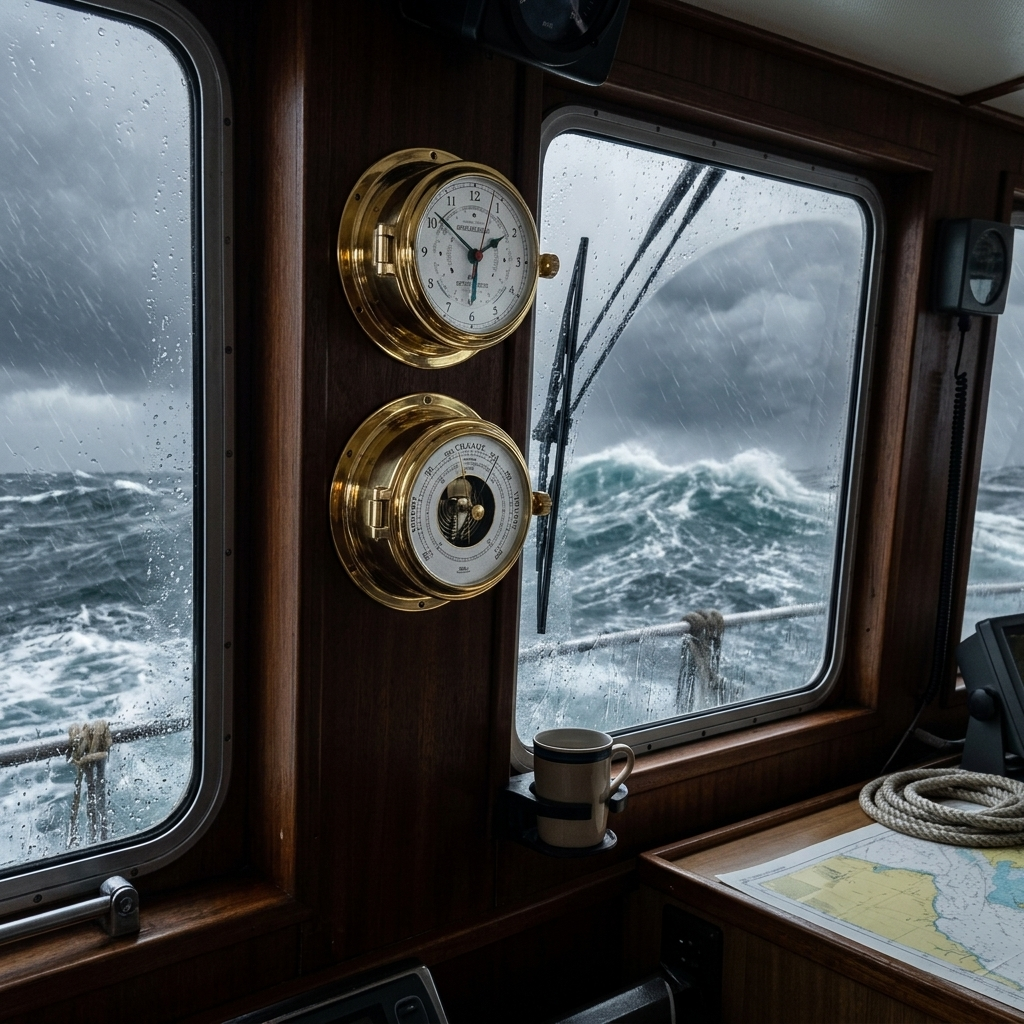
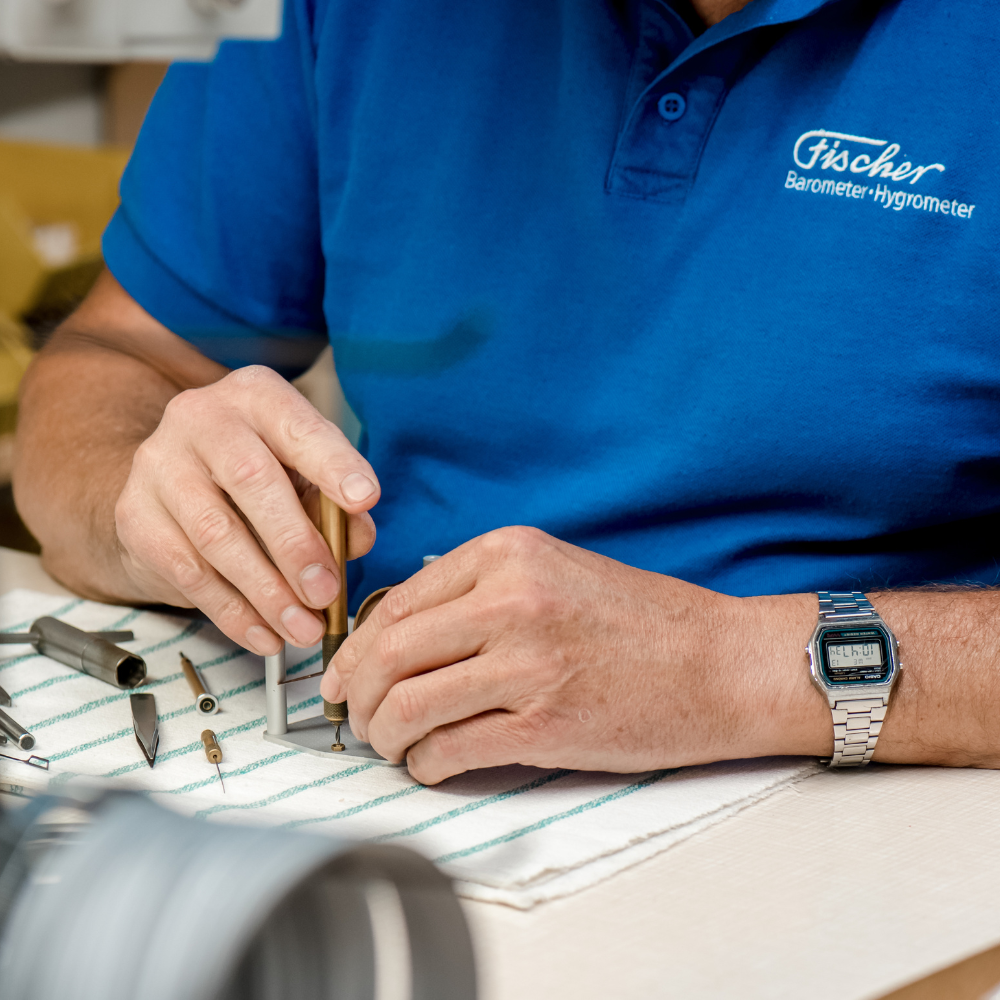


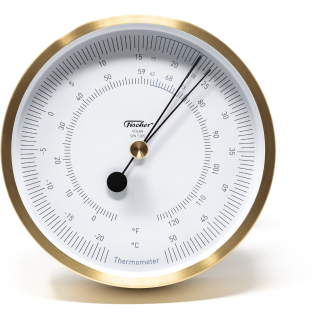


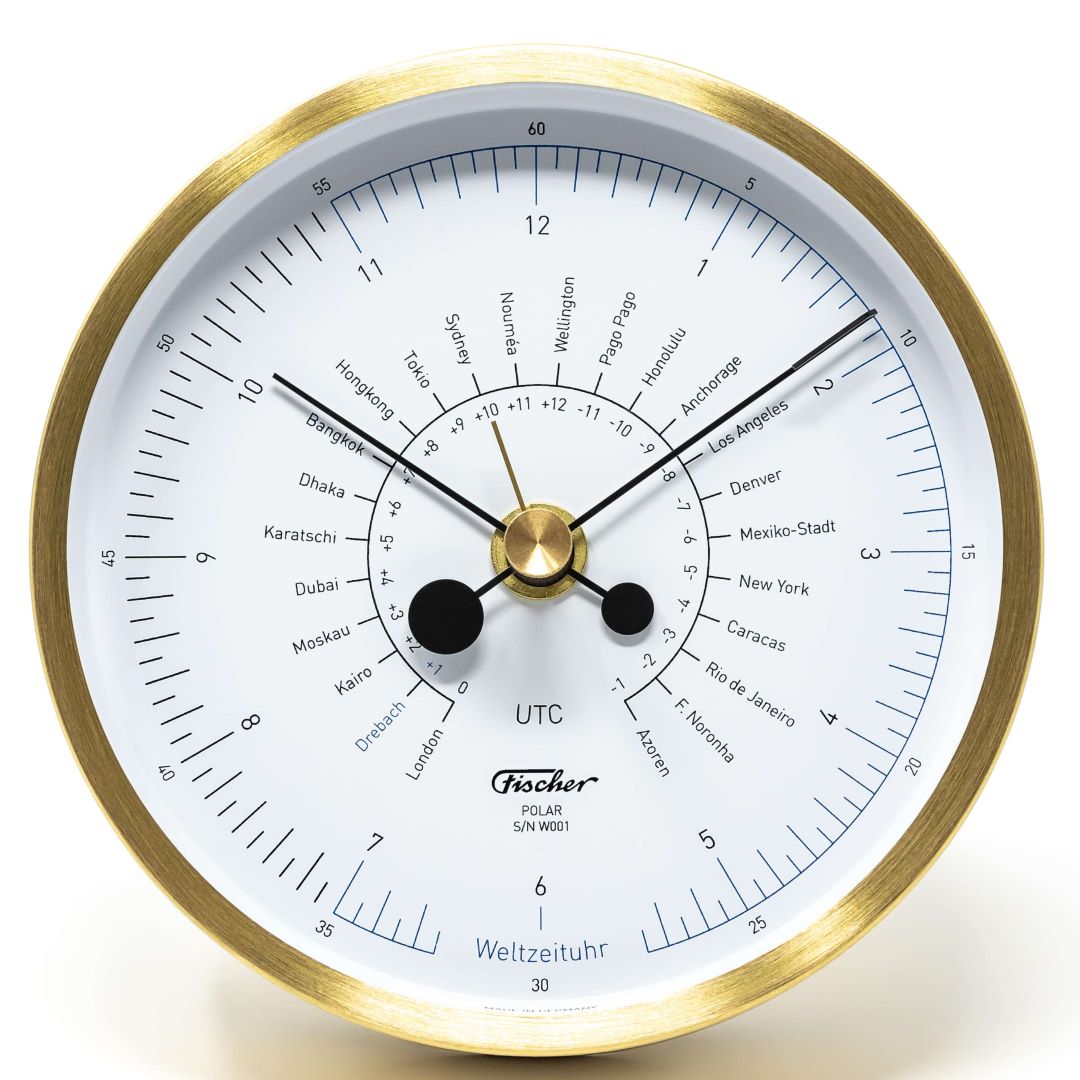


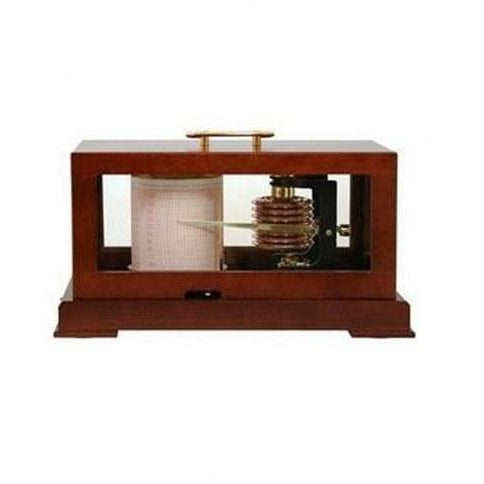


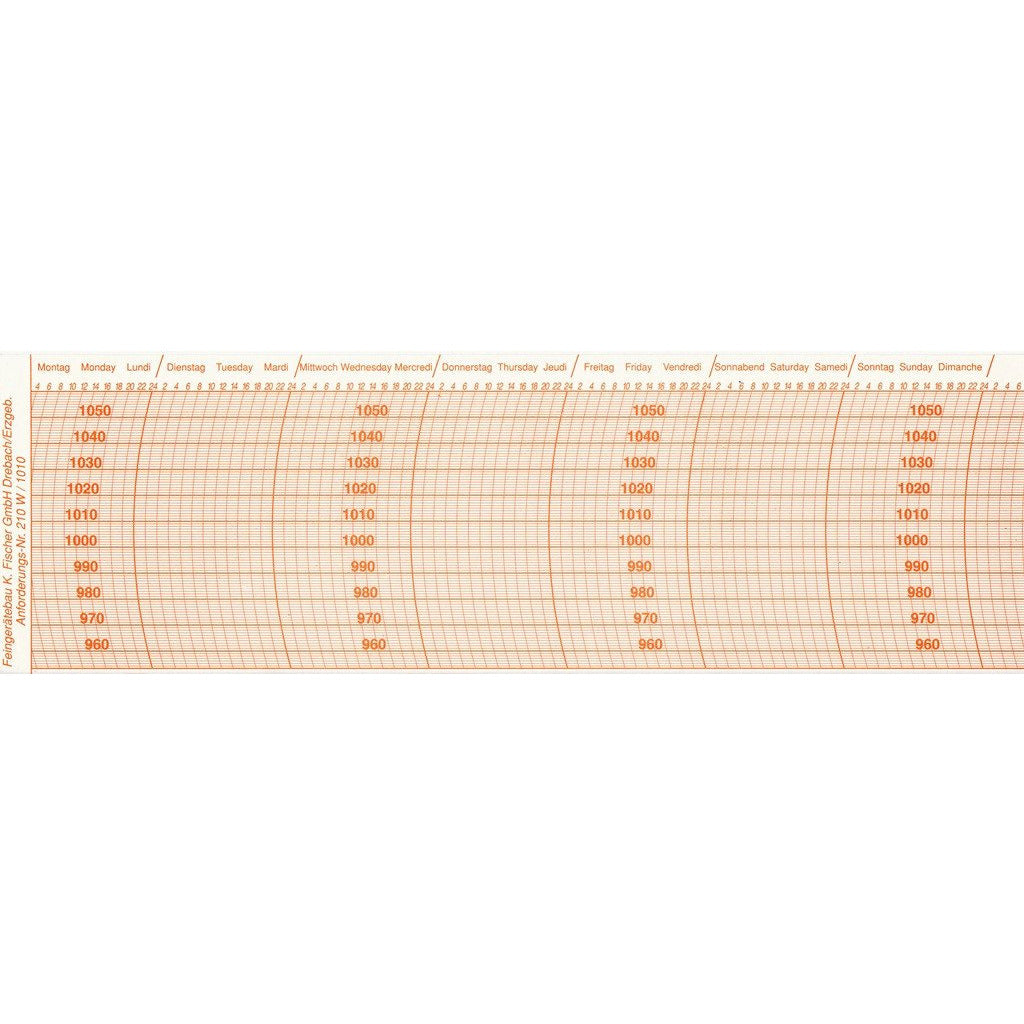

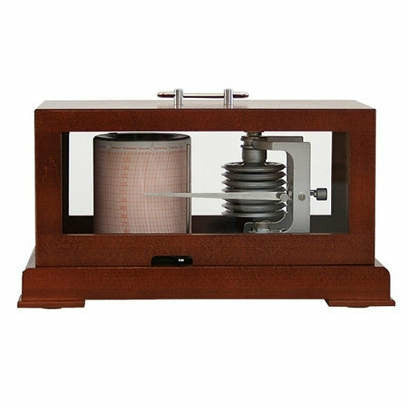


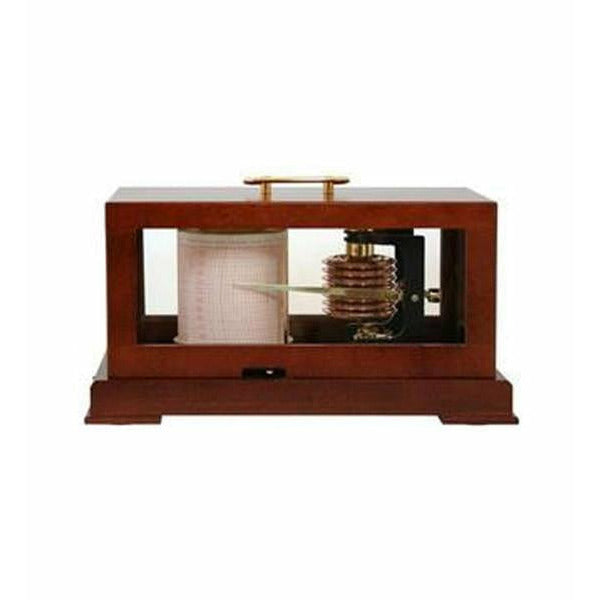


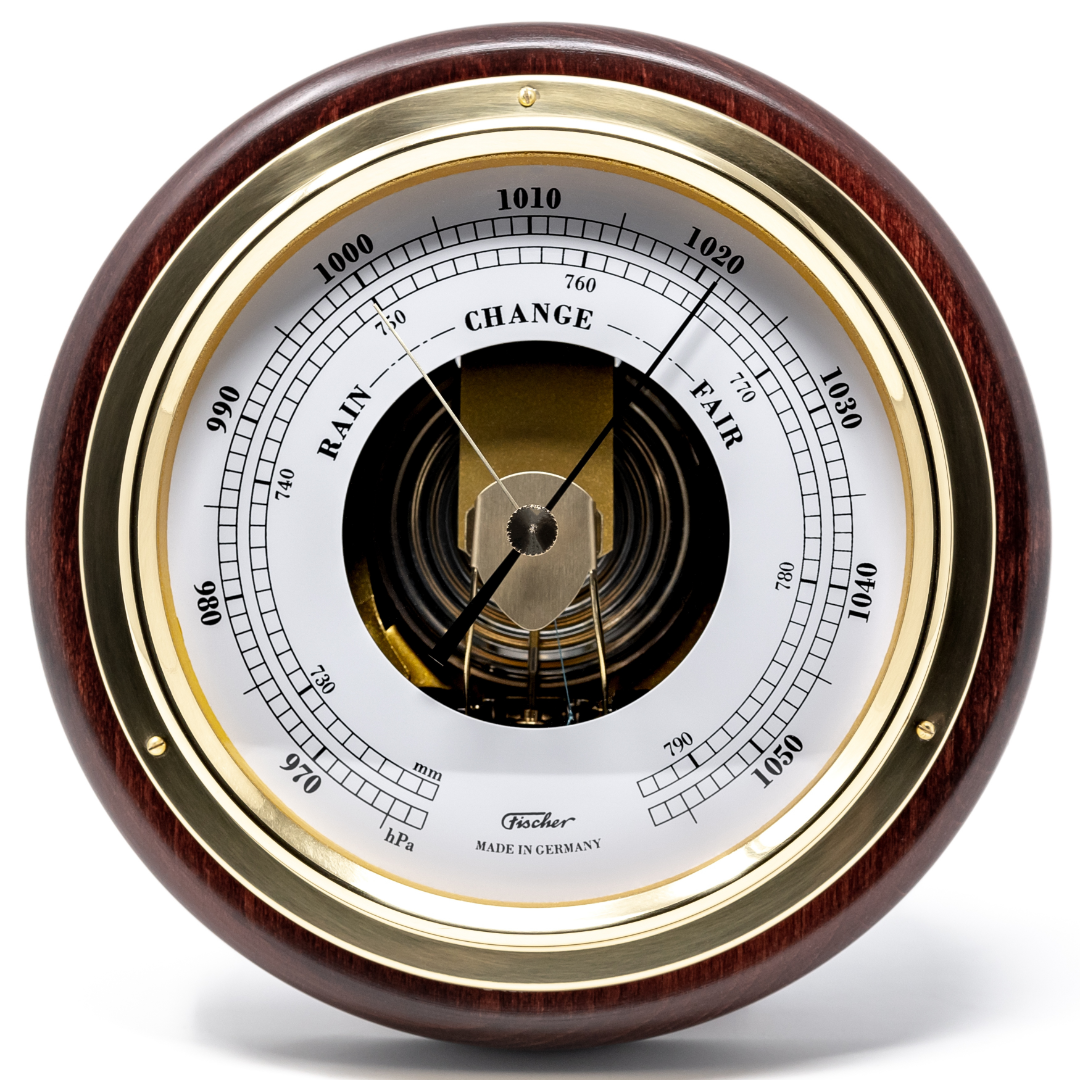
















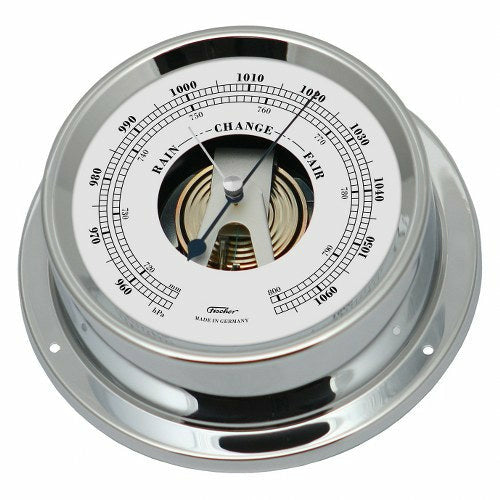
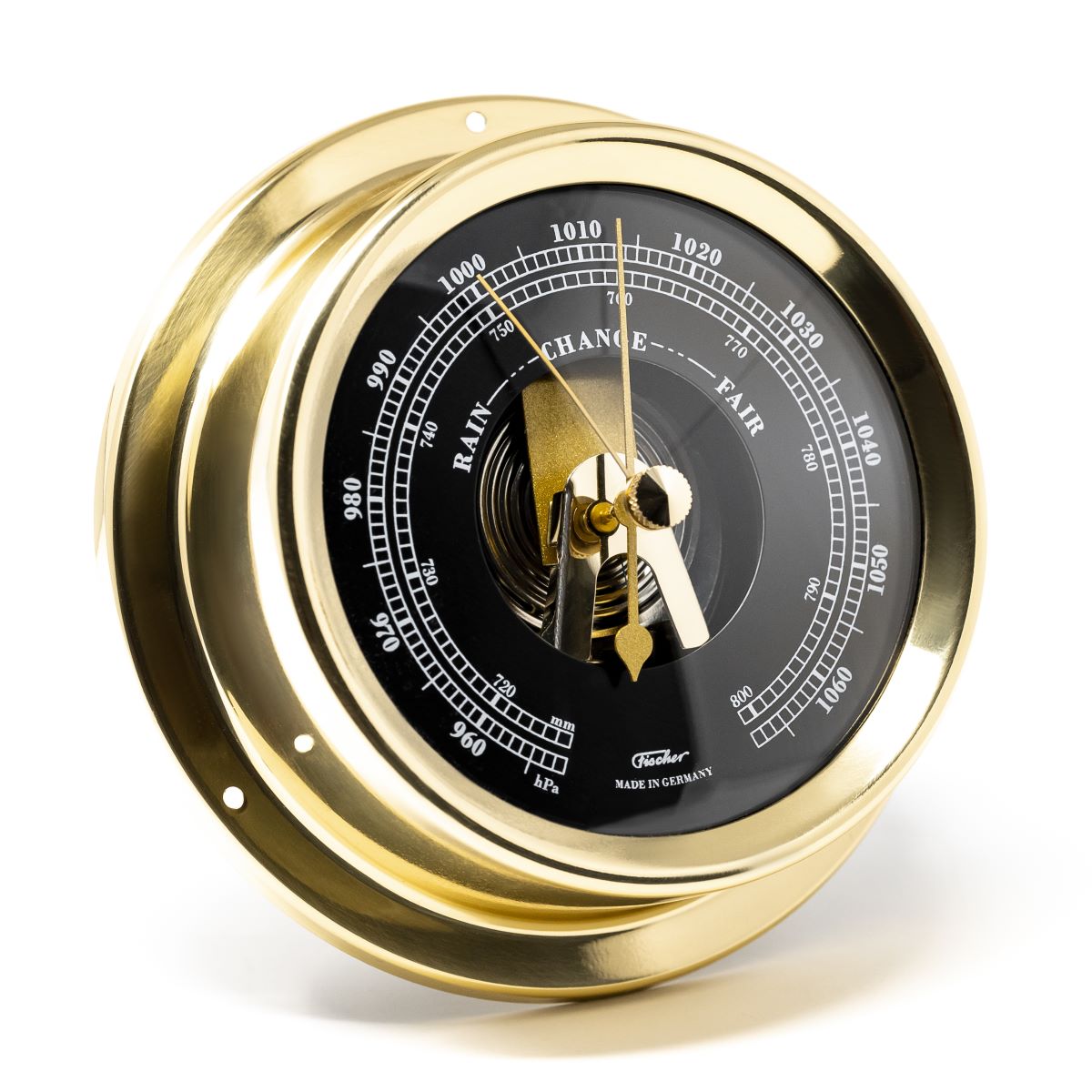
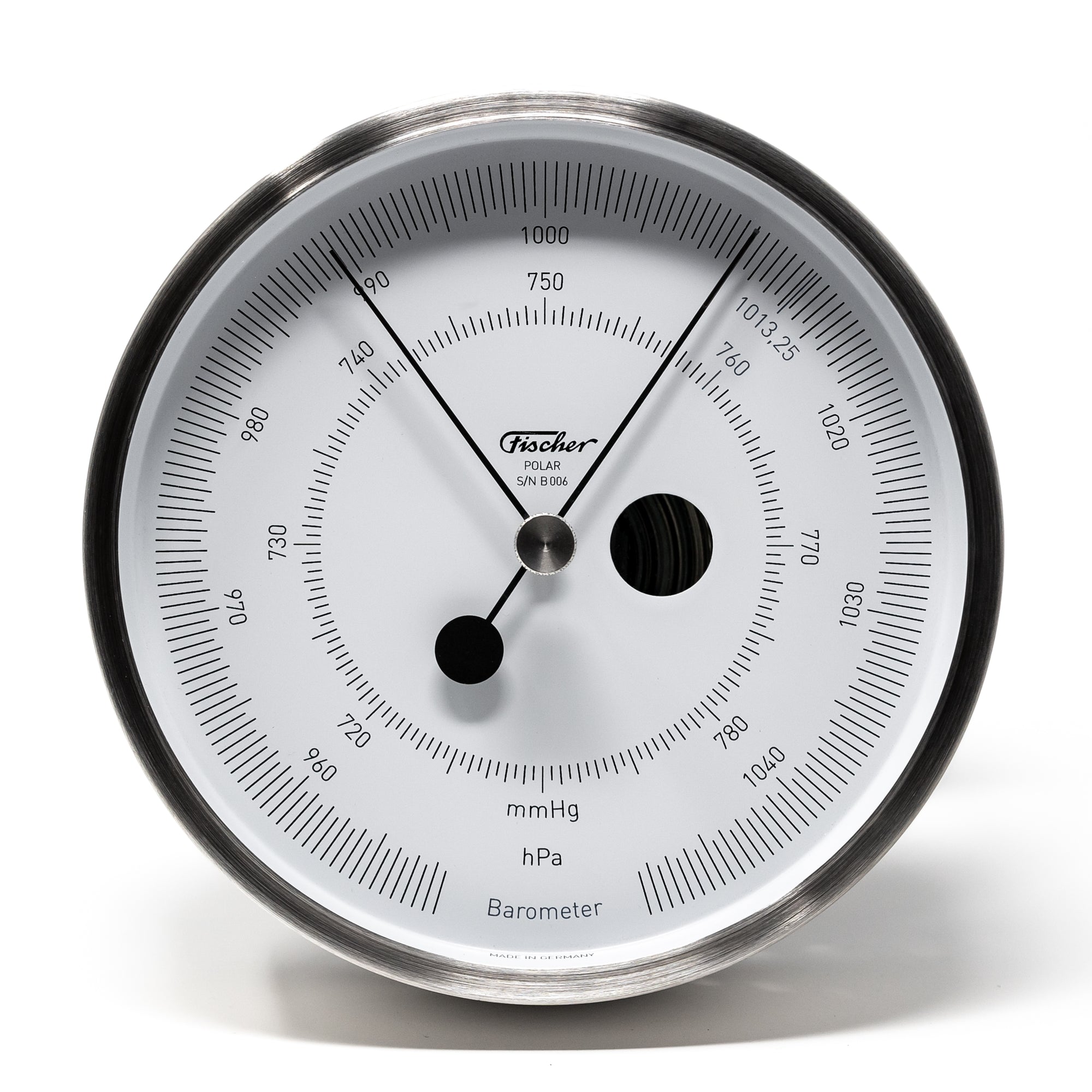
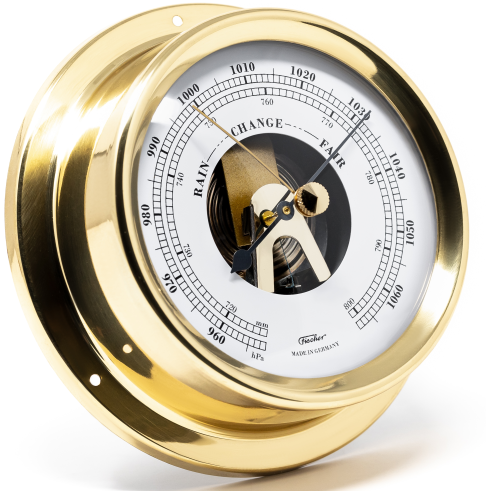
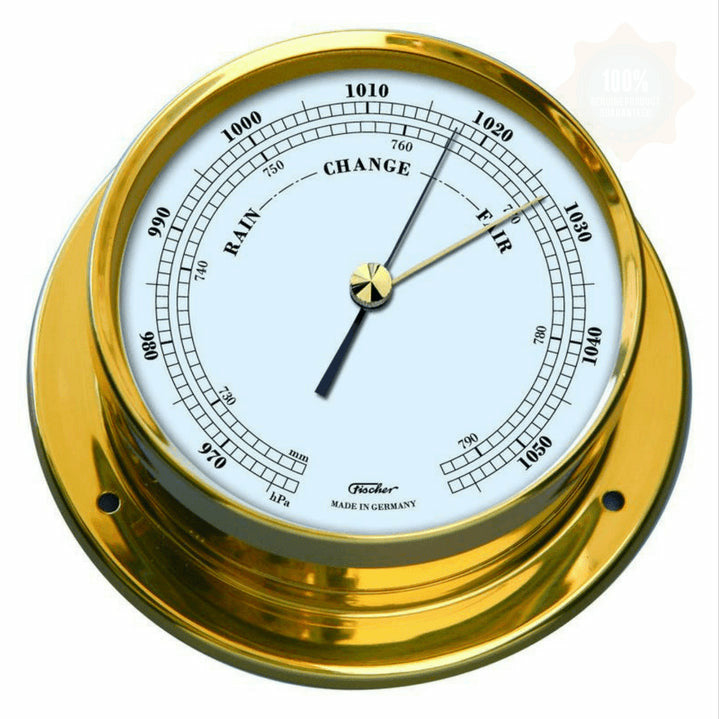
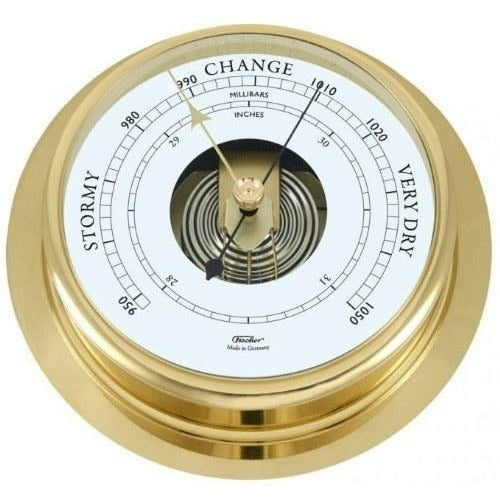
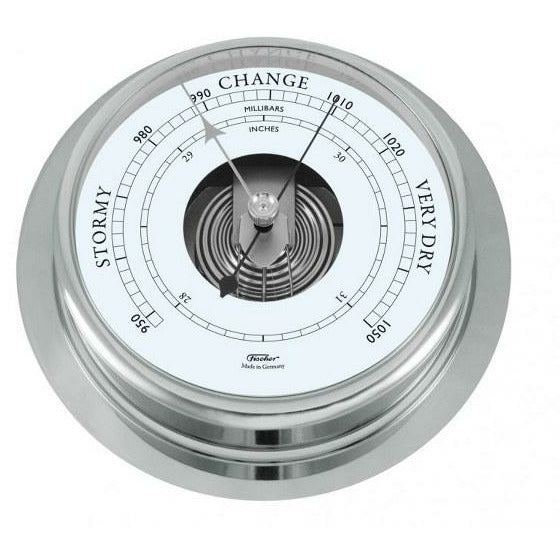
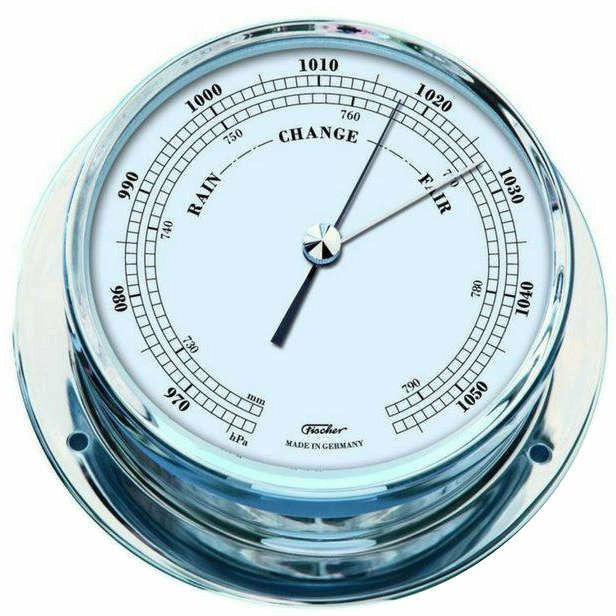
A marine barometer measures air pressure to help indicate approaching changes in weather such as wind, rain or improving conditions.



Out at sea, guesswork is a terrible strategy. Weather can turn quickly, wind arrives uninvited, and visibility can disappear faster than most people expect. Conditions that looked perfectly civilised half an hour ago can become rather less charming in no time at all. That is why serious boat owners have always valued proper instruments onboard. When you are on the water, reliable information still matters.
Relying only on phone forecasts or cheap digital gadgets sounds modern and clever right up until there is no signal, flat batteries, moisture in the unit, or a screen you cannot read while bouncing about in chop. Household clocks and bargain weather gadgets are not much better. Salt air, humidity and constant movement tend to shorten their careers dramatically.
Out at sea, guesswork is a terrible strategy. Weather can turn quickly, wind arrives uninvited, and visibility can disappear faster than most people expect. Conditions that looked perfectly civilised half an hour ago can become rather less charming in no time at all. That is why serious boat owners have always valued proper instruments onboard. When you are on the water, reliable information still matters.
Relying only on phone forecasts or cheap digital gadgets sounds modern and clever right up until there is no signal, flat batteries, moisture in the unit, or a screen you cannot read while bouncing about in chop. Household clocks and bargain weather gadgets are not much better. Salt air, humidity and constant movement tend to shorten their careers dramatically.


Barometers & Clocks specialises in premium nautical instruments selected for people who want equipment that works properly and looks right onboard. This collection includes marine barometers, ship clocks, hygrometers, thermometers and combination weather stations from respected European makers including Fischer Germany and Barigo.
For centuries, sailors have used barometers to monitor atmospheric pressure and anticipate changing weather. Ship clocks provide dependable timekeeping without relying on power or electronics. Hygrometers and thermometers help build a clearer picture of onboard conditions.
Many of these instruments use something wonderfully simple: mechanical engineering. No batteries. No software updates. No signal required. Just precision components designed to keep doing their job day after day.
Selected for cabins, saloons, chart rooms and other protected onboard spaces, these are not novelty nautical trinkets pretending to be useful. They are proper instruments chosen for boats, yachts, launches and marine environments where reliability counts.
They combine proven function with timeless maritime character. Tools first. But they also happen to look magnificent.
Barometers & Clocks specialises in premium nautical instruments selected for people who want equipment that works properly and looks right onboard. This collection includes marine barometers, ship clocks, hygrometers, thermometers and combination weather stations from respected European makers including Fischer Germany and Barigo.
For centuries, sailors have used barometers to monitor atmospheric pressure and anticipate changing weather. Ship clocks provide dependable timekeeping without relying on power or electronics. Hygrometers and thermometers help build a clearer picture of onboard conditions.
Many of these instruments use something wonderfully simple: mechanical engineering. No batteries. No software updates. No signal required. Just precision components designed to keep doing their job day after day.
Selected for cabins, saloons, chart rooms and other protected onboard spaces, these are not novelty nautical trinkets pretending to be useful. They are proper instruments chosen for boats, yachts, launches and marine environments where reliability counts.
They combine proven function with timeless maritime character. Tools first. But they also happen to look magnificent.









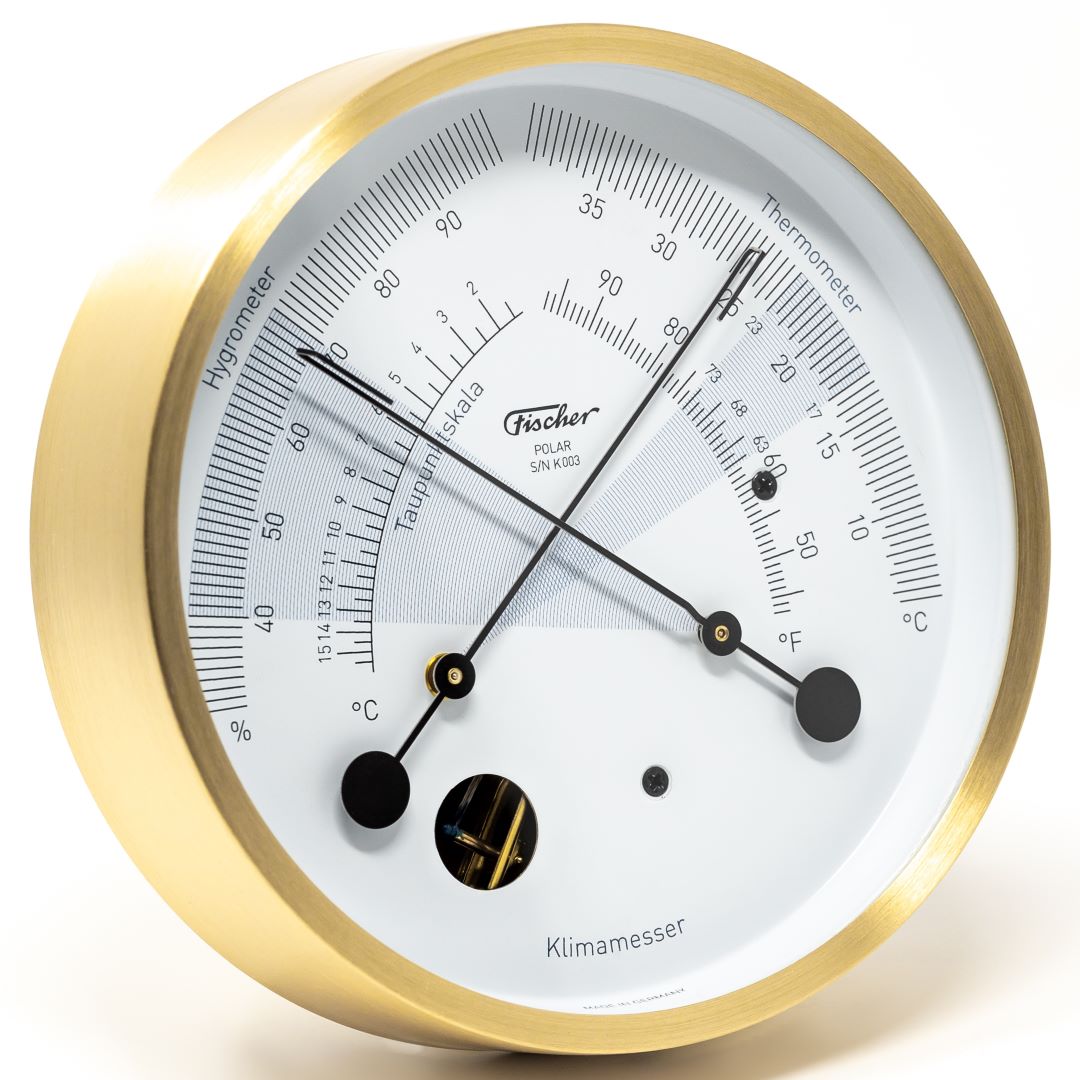

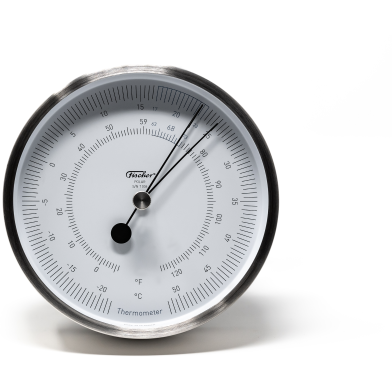







Out at sea, guesswork is a terrible strategy. Weather can turn quickly, visibility can disappear, and conditions can change faster than most people expect. That’s why serious vessels have always relied on precision nautical instruments, tools designed to provide clear, dependable information when it matters most. A nautical instrument is not a decoration. It is a working tool.
For centuries, sailors have used barometers to monitor atmospheric pressure and anticipate changing weather. Ship clocks provide reliable timekeeping without relying on power or electronics. Hygrometers and thermometers help build a clearer picture of the conditions onboard and around the vessel.
They do this using something wonderfully simple: mechanical engineering. No batteries. No software updates. No signal required. Just precision components designed to keep working day after day.
Unlike household instruments, marine instruments are built to withstand the realities of life on the water. Salt air, humidity, temperature swings and constant movement are simply part of the job. That is why marine instruments are engineered with durable materials and robust movements designed for long-term reliability.
This collection brings together a range of nautical instruments selected specifically for marine environments. Suitable for boats, ships and yachts, they combine proven functionality with the timeless aesthetic of traditional maritime instruments. They are tools first. But they also happen to look magnificent.










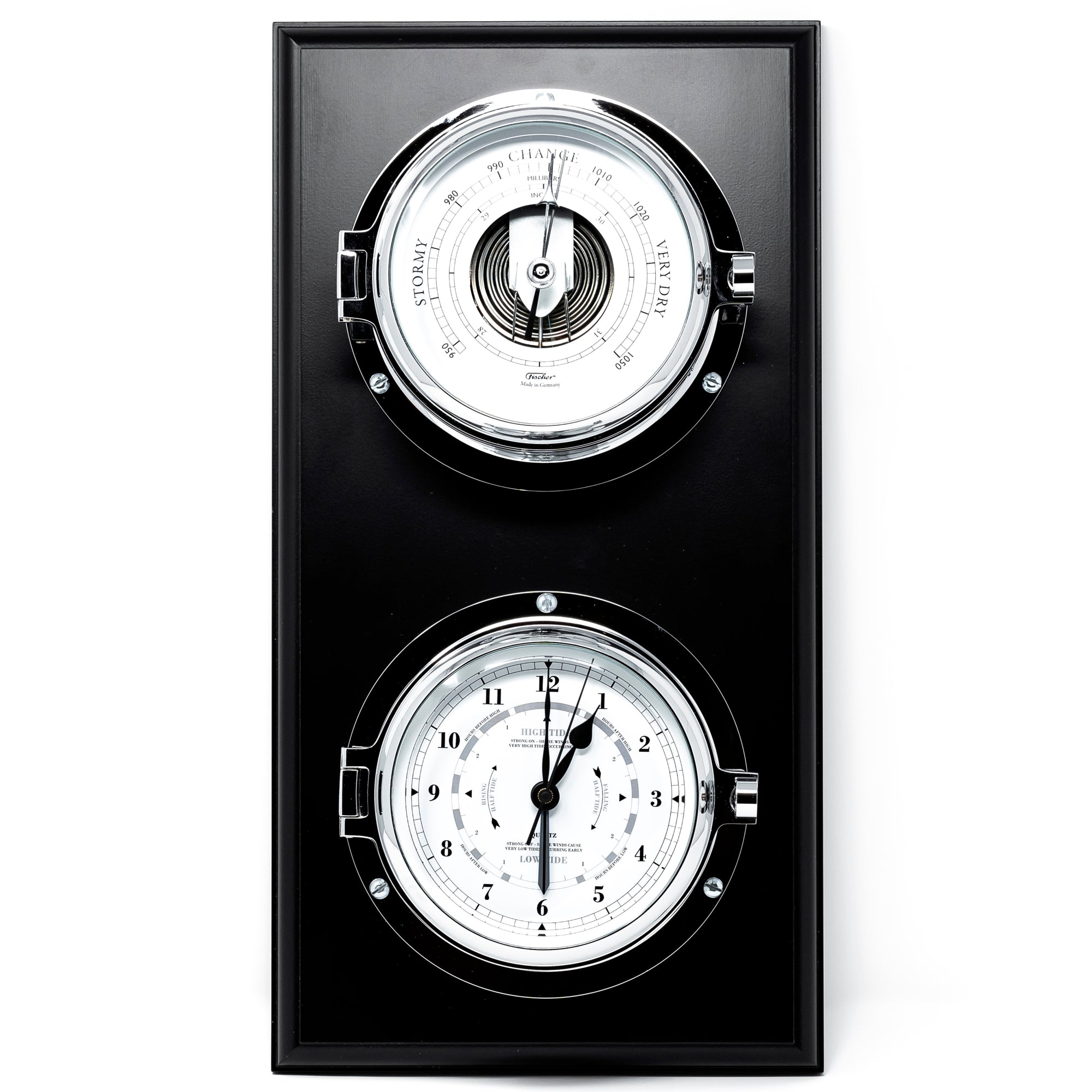

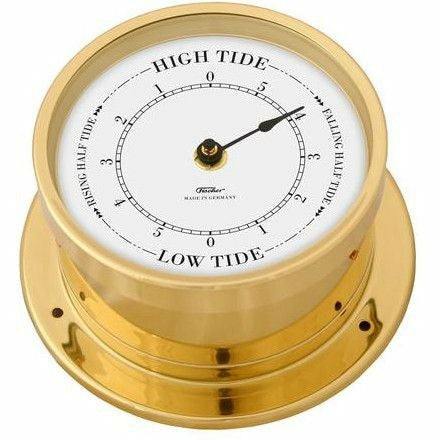

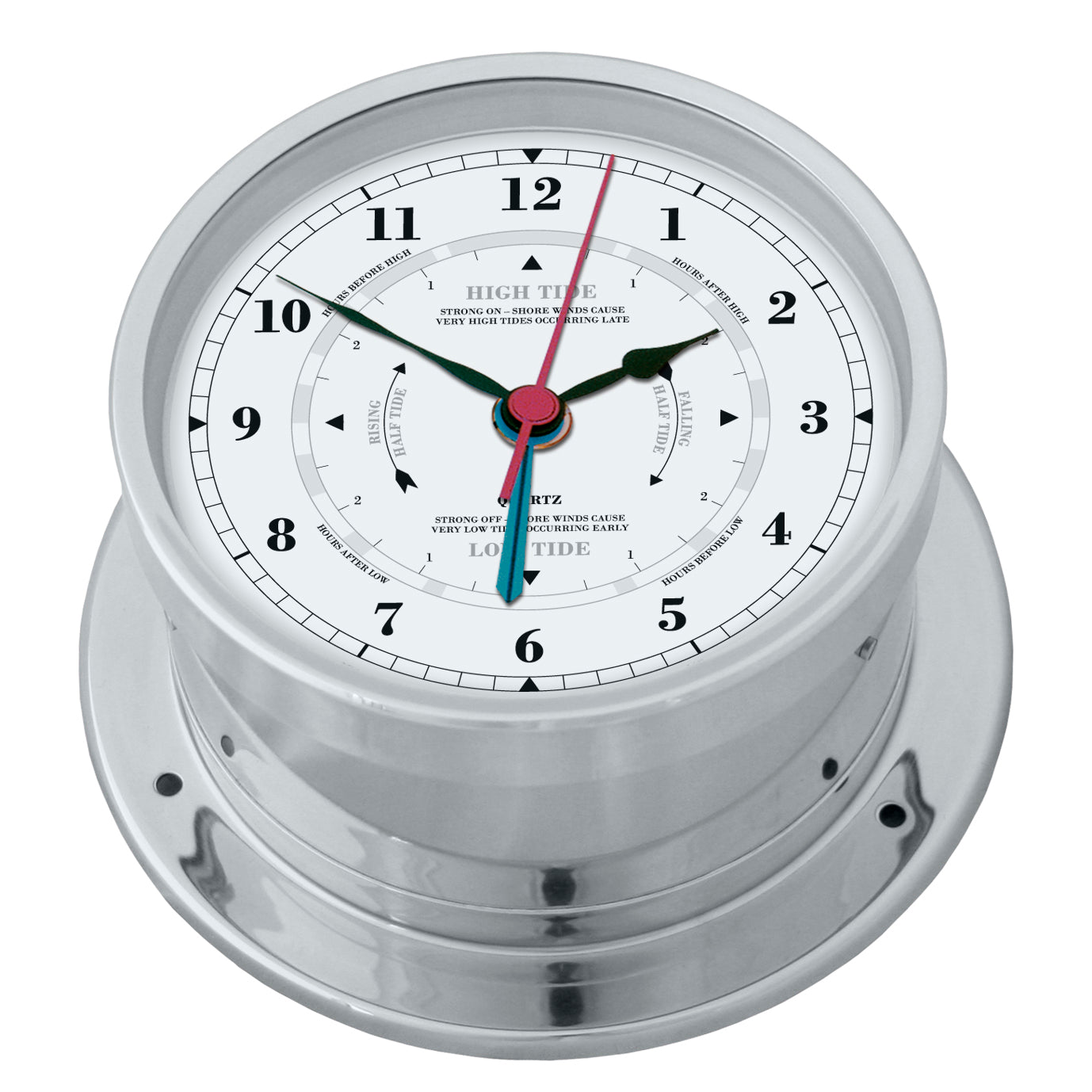

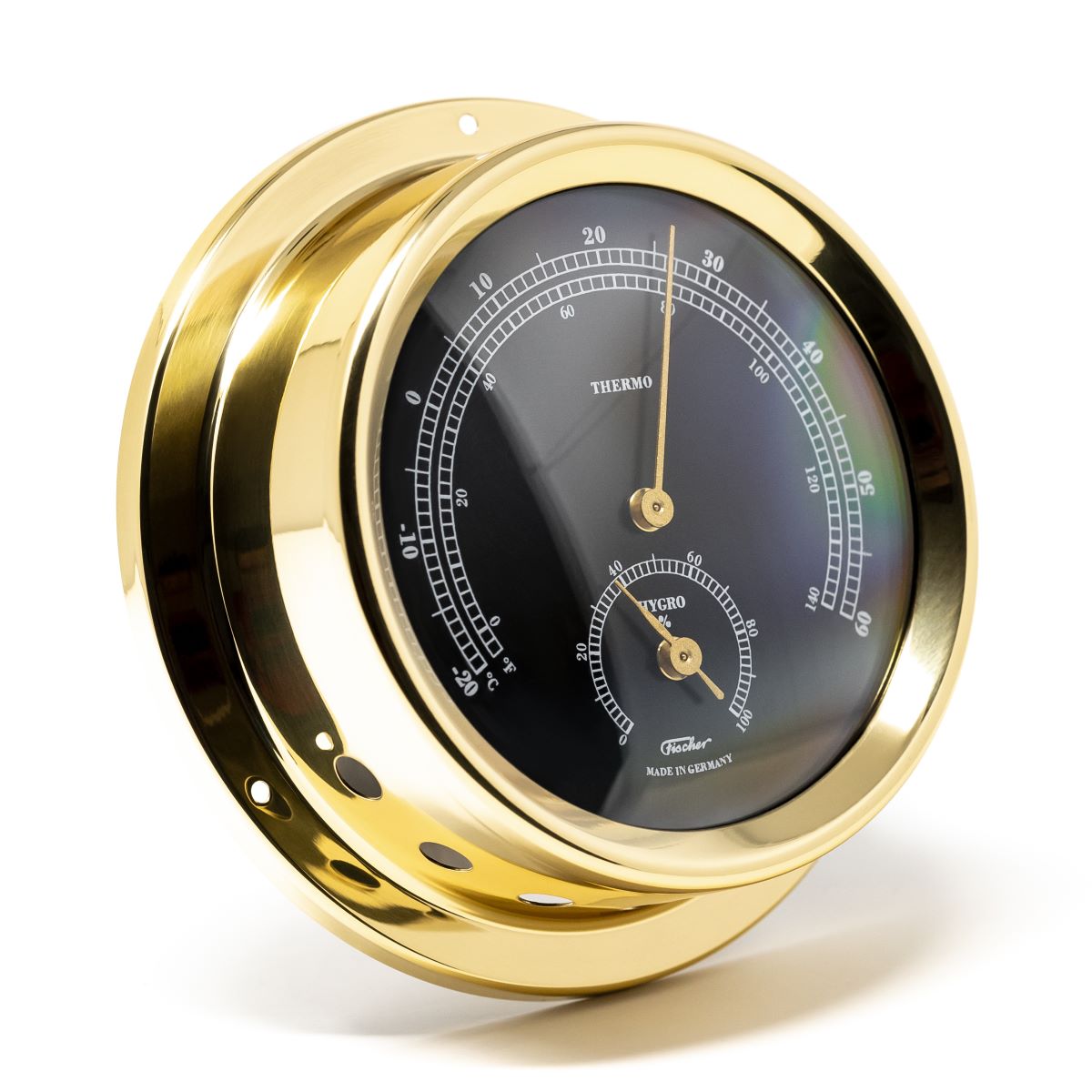





Life onboard brings humidity, changing temperatures and constant movement. That is why marine instruments have traditionally been installed in protected spaces such as cabins, saloons, chart rooms and wheelhouses, where they remain easy to read and accessible.
This collection is selected for those sheltered onboard environments, where reliable readings and dependable timekeeping still matter.
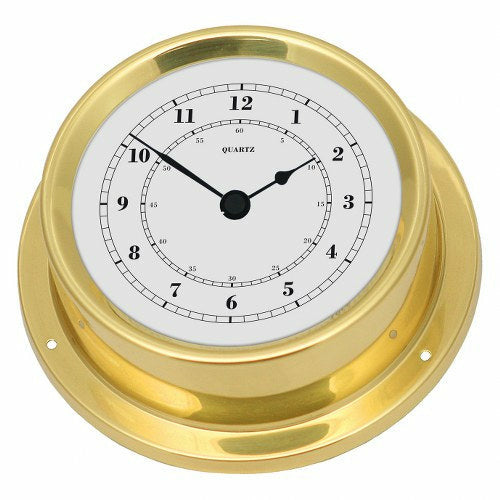
Many models feature quality metal cases such as brass, chrome-plated brass or stainless finishes, along with mechanical movements on selected models that require no batteries or charging.
They offer a practical, timeless alternative to cheap household products that often feel out of place onboard.
Useful first. Handsome second. Which is exactly the right order.
Life onboard brings humidity, changing temperatures and constant movement. That is why marine instruments have traditionally been installed in protected spaces such as cabins, saloons, chart rooms and wheelhouses, where they remain easy to read and accessible.
This collection is selected for those sheltered onboard environments, where reliable readings and dependable timekeeping still matter.
Many models feature quality metal cases such as brass, chrome-plated brass or stainless finishes, along with mechanical movements on selected models that require no batteries or charging.
They offer a practical, timeless alternative to cheap household products that often feel out of place onboard.
Useful first. Handsome second. Which is exactly the right order.

Most boat owners need different tools depending on how they use the vessel. Some want weather awareness. Some need dependable timekeeping. Some want a complete onboard station.
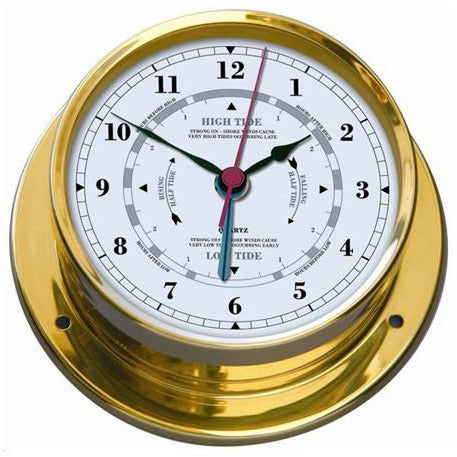
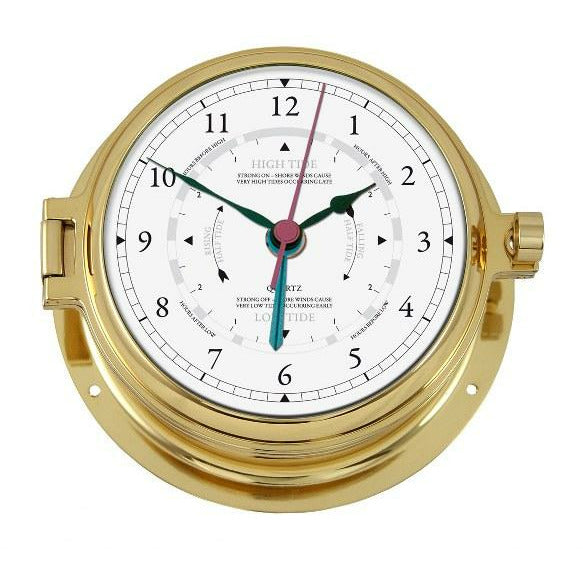
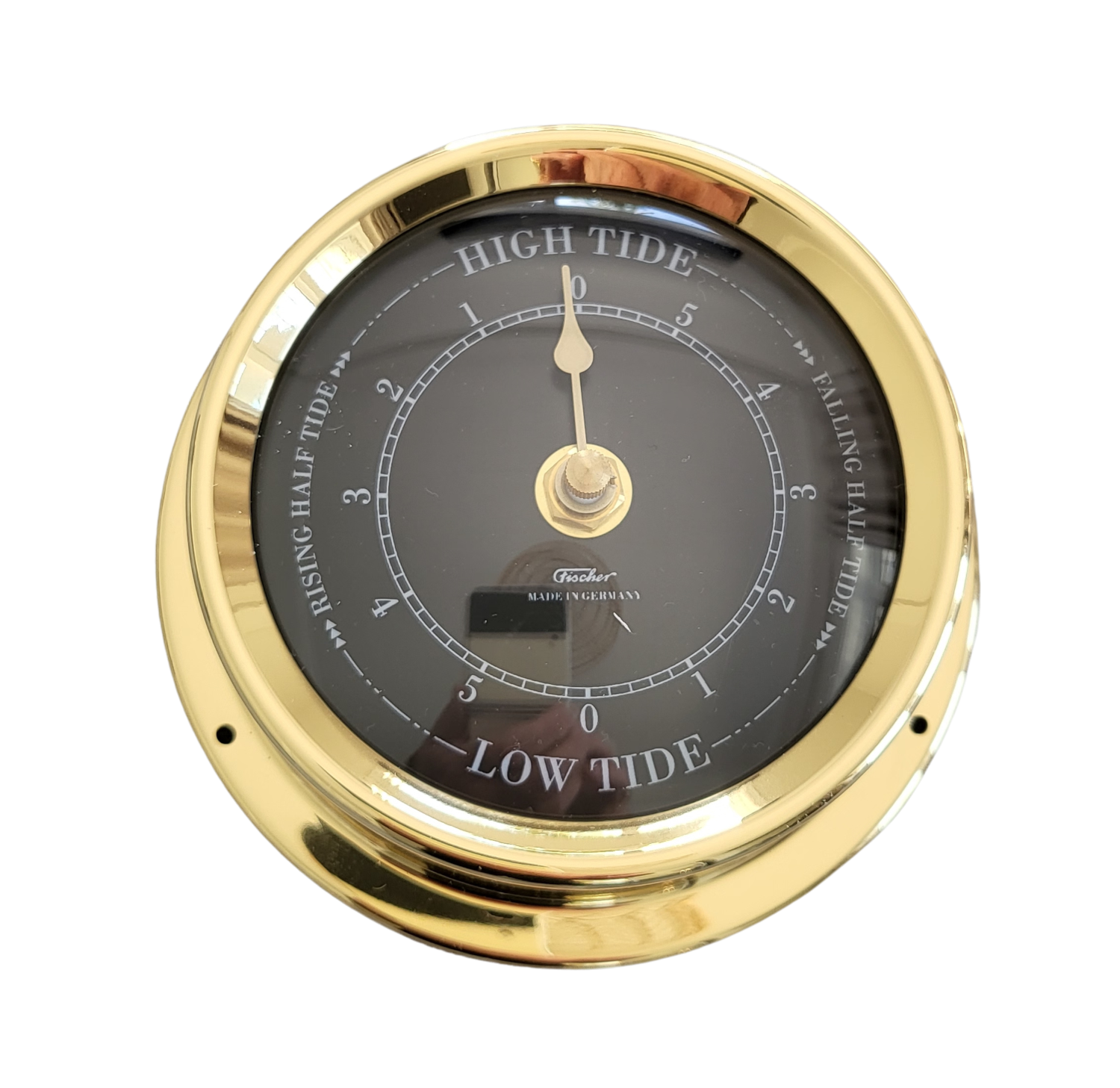
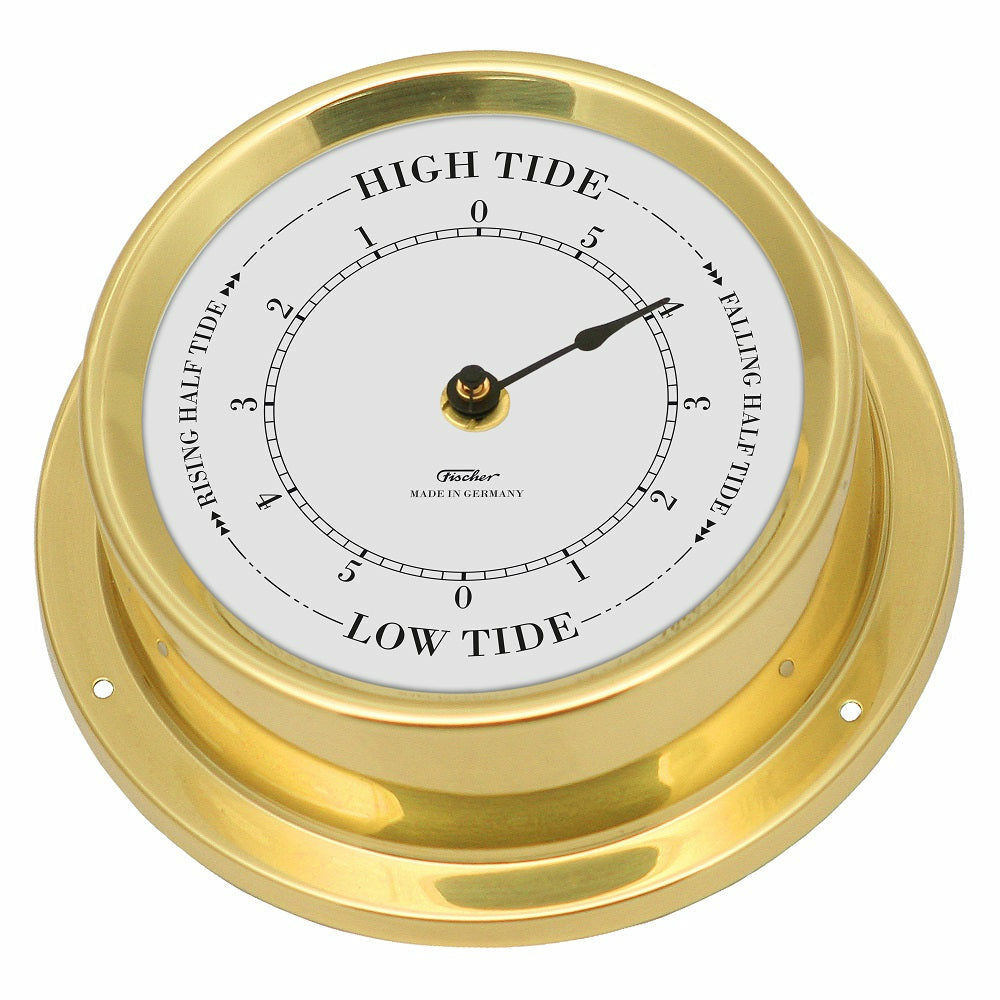
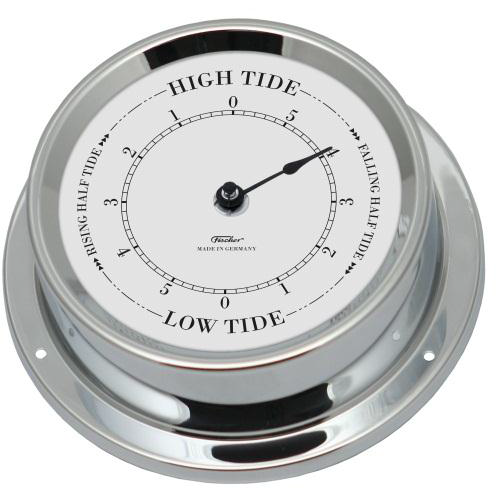
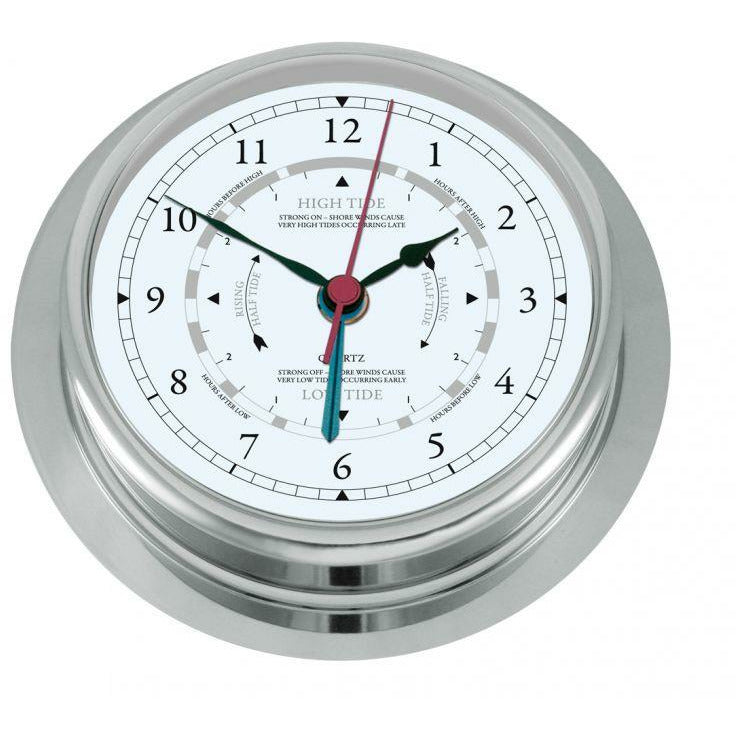
Show the approximate timing of high and low tide, helping you plan time on the water with a quick glance. Ideal for boaties, sailors, fishers, surfers and coastal owners who want an easy visual guide to changing tides without checking a screen every five minutes.
Particularly useful for launch ramps, harbour bars, fishing spots and tidal areas where timing matters. A proper tide clock keeps things simple, practical and far more civilised than guessing.
Measure air pressure to help indicate changing weather patterns.
Best for cabins, chart rooms and saloons where you want a quick visual reference before heading out or while underway.
A proper marine barometer is not decoration. It tells you what the weather is about to do before it does it.
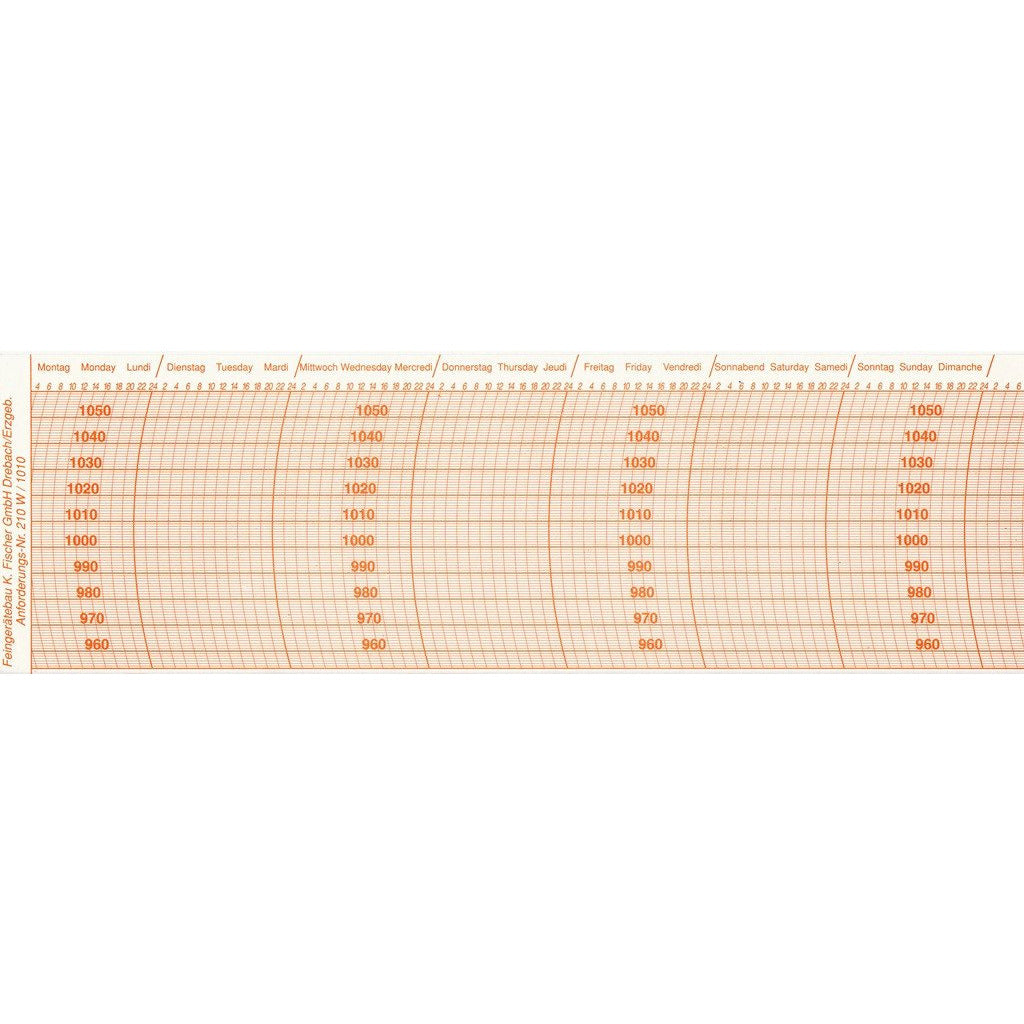
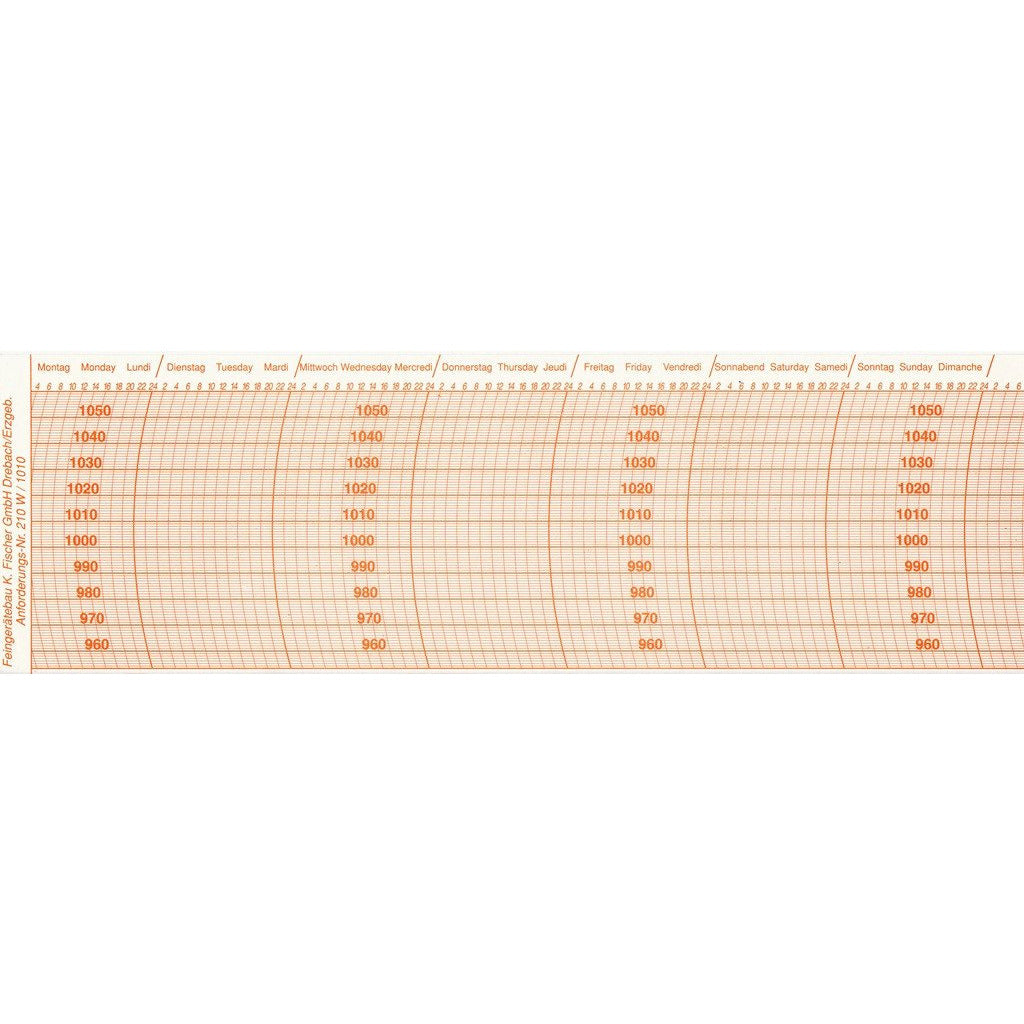
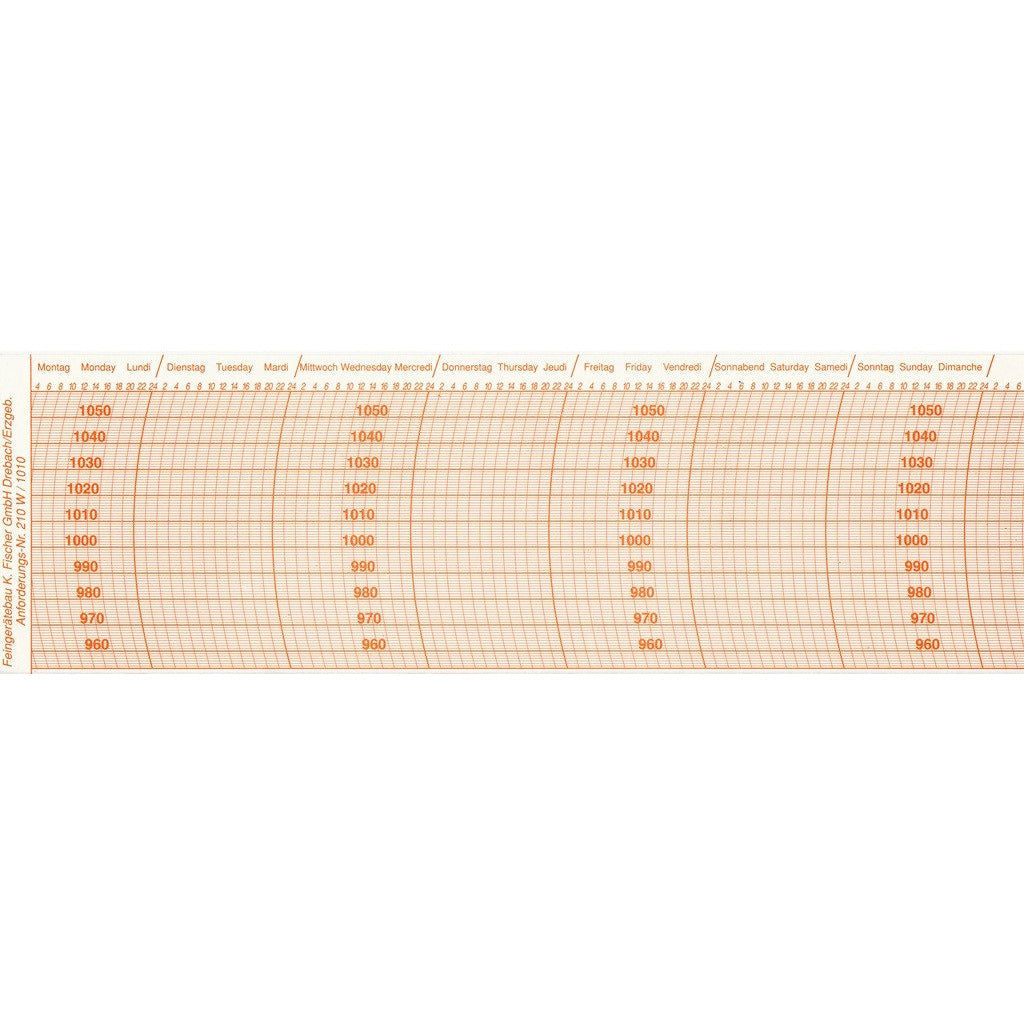
Continuously record changes in air pressure over time, giving you a visual history of weather movement rather than a single reading.
Ideal for serious boat owners, offshore cruisers, commercial operators and anyone who wants to track pressure trends properly.
Where a standard barometer tells you what pressure is now, a barograph shows where it has been heading. Very useful when deciding whether conditions are improving or becoming less friendly.
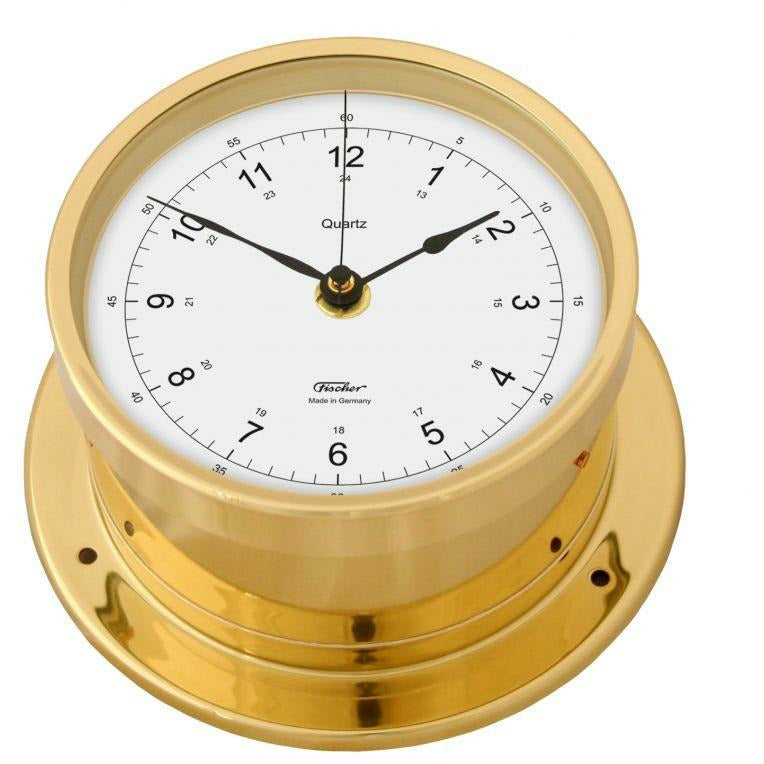
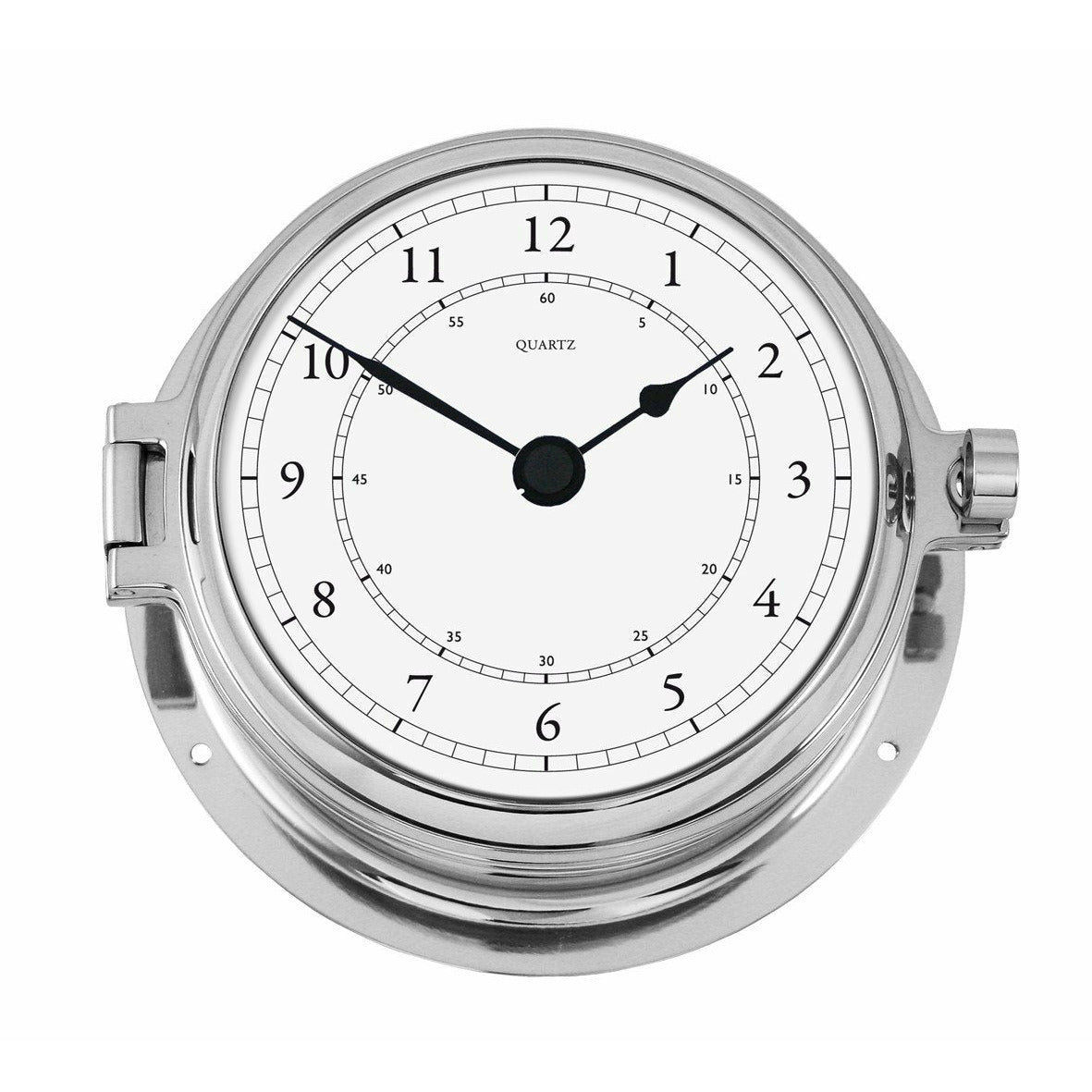
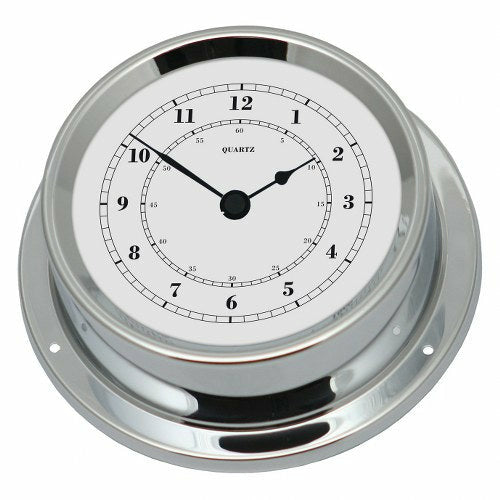
Reliable timekeeping designed for marine conditions.
Ideal for cabins, wheelhouses and saloons where household clocks often surrender to moisture and movement.
Built to keep doing their job without drama.
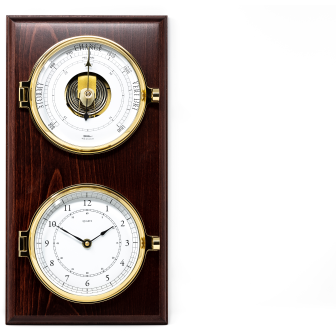
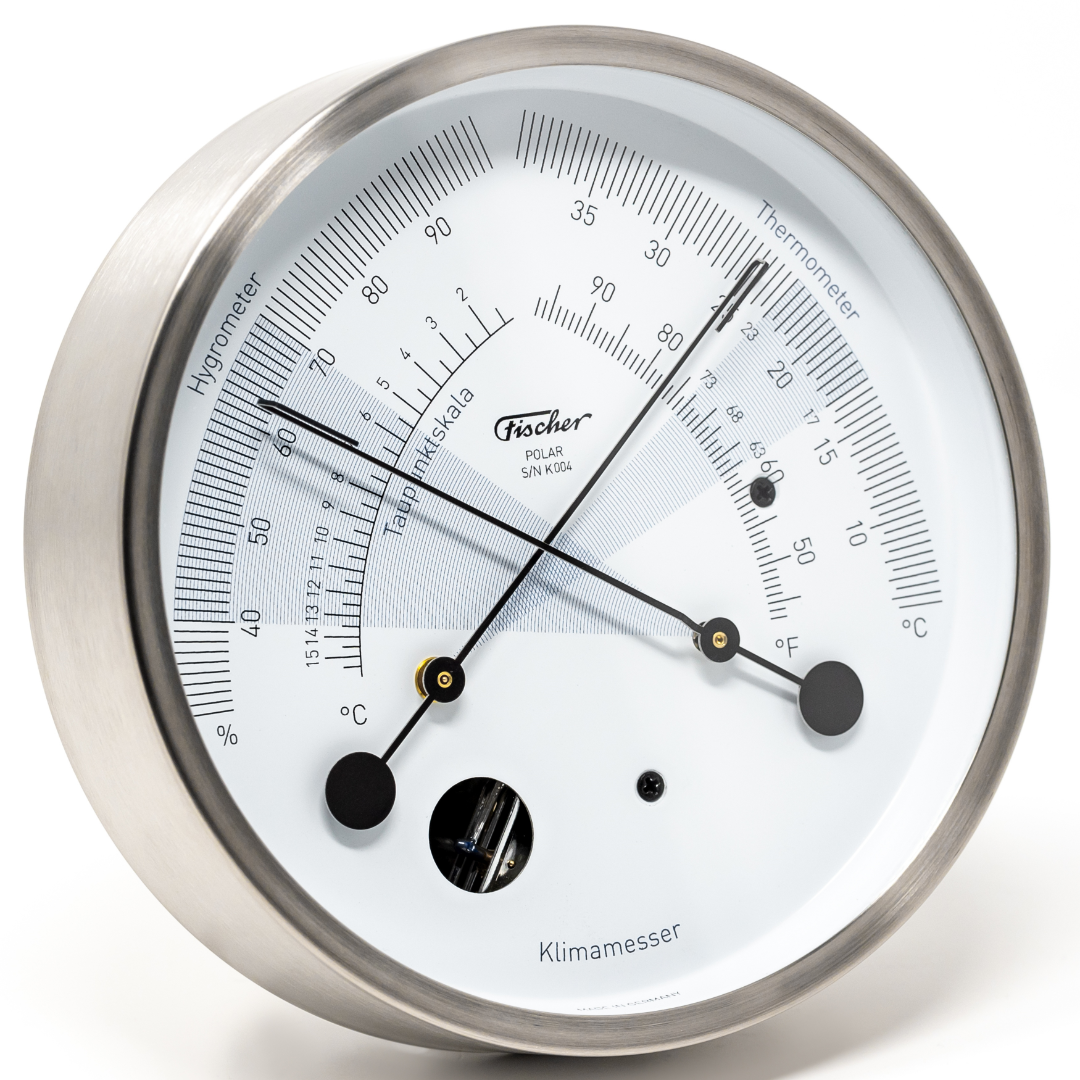
Combination instruments showing pressure, humidity and temperature.
Best for owners wanting several readings in one elegant unit.
Useful when you want a broader picture of onboard conditions without covering every wall in gauges.
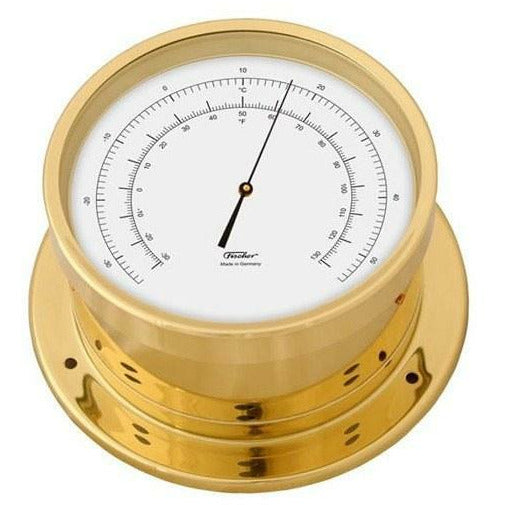
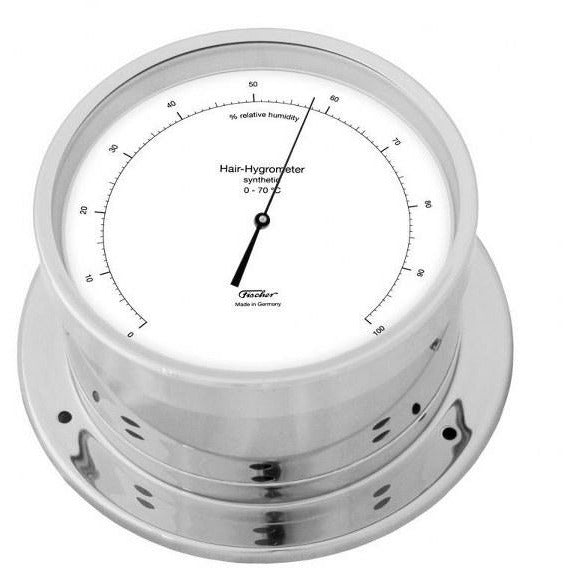
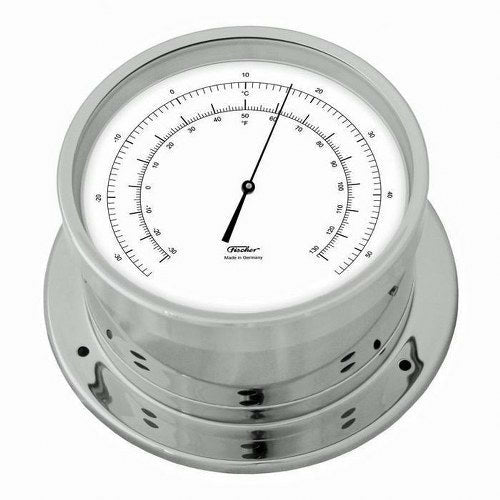
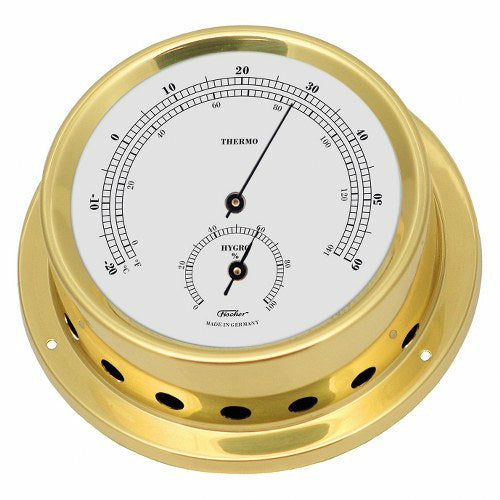
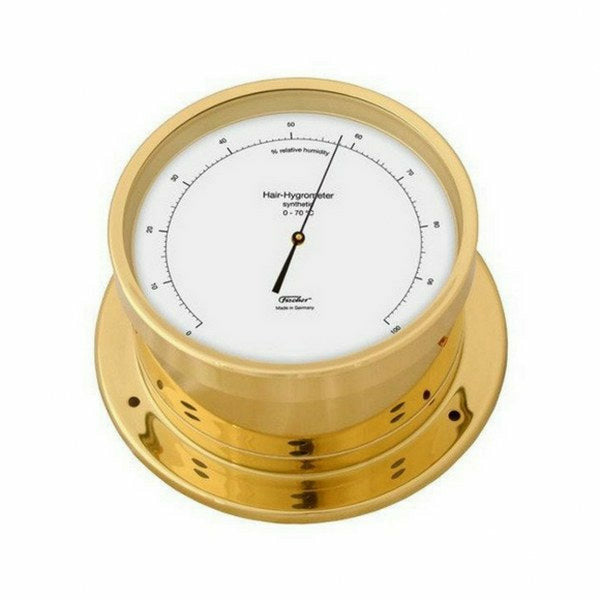
Monitor onboard humidity and temperature.
Helpful for comfort, condensation awareness and enclosed cabin spaces.
Most boat owners need different tools depending on how they use the vessel. Some want weather awareness. Some need dependable timekeeping. Some want a complete onboard station.
Show the approximate timing of high and low tide, helping you plan time on the water with a quick glance. Ideal for boaties, sailors, fishers, surfers and coastal owners who want an easy visual guide to changing tides without checking a screen every five minutes.
Particularly useful for launch ramps, harbour bars, fishing spots and tidal areas where timing matters. A proper tide clock keeps things simple, practical and far more civilised than guessing.
Measure air pressure to help indicate changing weather patterns.
Best for cabins, chart rooms and saloons where you want a quick visual reference before heading out or while underway.
A proper marine barometer is not decoration. It tells you what the weather is about to do before it does it.
Continuously record changes in air pressure over time, giving you a visual history of weather movement rather than a single reading.
Ideal for serious boat owners, offshore cruisers, commercial operators and anyone who wants to track pressure trends properly.
Where a standard barometer tells you what pressure is now, a barograph shows where it has been heading. Very useful when deciding whether conditions are improving or becoming less friendly.
Reliable timekeeping designed for marine conditions.
Ideal for cabins, wheelhouses and saloons where household clocks often surrender to moisture and movement.
Built to keep doing their job without drama.
Combination instruments showing pressure, humidity and temperature.
Best for owners wanting several readings in one elegant unit.
Useful when you want a broader picture of onboard conditions without covering every wall in gauges.
Monitor onboard humidity and temperature.
Helpful for comfort, condensation awareness and enclosed cabin spaces.
You want better awareness of changing weather and wind conditions. A quick glance at pressure trends can help you make smarter decisions before heading out or while underway.
You need dependable onboard timekeeping that suits the vessel. Ideal for cabins, wheelhouses and saloons where household clocks often fail miserably.
You want pressure, humidity and temperature in one place. Best for owners who like a broader picture of onboard conditions without filling every wall with gauges.
Moisture, condensation or cabin comfort matters most. Particularly useful for enclosed cabins, stored vessels and protecting interiors from damp conditions.
You want a simple guide to high and low tide times. Very useful for ramps, harbour bars, fishing spots, tidal channels and anyone who knows timing matters on the water.
You want to track pressure changes over time, not just the current reading. Excellent for serious boaties, offshore cruisers and skippers who prefer spotting weather trends early.
You want classic marine timekeeping with a traditional nautical look. A strong choice for saloons, chart rooms and vessels where proper maritime style still belongs.
You want better awareness of changing weather and wind conditions. A quick glance at pressure trends can help you make smarter decisions before heading out or while underway.
You need dependable onboard timekeeping that suits the vessel. Ideal for cabins, wheelhouses and saloons where household clocks often fail miserably.
You want pressure, humidity and temperature in one place. Best for owners who like a broader picture of onboard conditions without filling every wall with gauges.
Moisture, condensation or cabin comfort matters most. Particularly useful for enclosed cabins, stored vessels and protecting interiors from damp conditions.
You want a simple guide to high and low tide times. Very useful for ramps, harbour bars, fishing spots, tidal channels and anyone who knows timing matters on the water.
You want to track pressure changes over time, not just the current reading. Excellent for serious boaties, offshore cruisers and skippers who prefer spotting weather trends early.
You want classic marine timekeeping with a traditional nautical look. A strong choice for saloons, chart rooms and vessels where proper maritime style still belongs.
We supply respected European brands known for precision manufacturing and durable marine ranges.
Our products are chosen for buyers who want something better than disposable gadgets and cheap imitations.
We deliver across Australia and New Zealand, with options suitable for private owners, gift buyers and commercial customers.
We supply respected European brands known for precision manufacturing and durable marine ranges.
Our products are chosen for buyers who want something better than disposable gadgets and cheap imitations.
We deliver across Australia and New Zealand, with options suitable for private owners, gift buyers and commercial customers.
If you want something that works properly, looks right onboard and still feels like a smart buy years from now, start with this collection.
Need Help Choosing? Get in touch.
If you want something that works properly, looks right onboard and still feels like a smart buy years from now, start with this collection.
Need Help Choosing? Get in touch.